If you are planning a trip to Europe, it is useful to know that a Schengen visa is not just one type of visa. There are different Schengen visa types, and the one you need depends on the purpose of your trip, how long you intend to stay, and the nature of your travel. For UK residents, particularly those travelling on a non-British passport, understanding these differences can make the application process much clearer.
Euro Holidays provides visa information and support for UK residents, helping applicants understand the requirements that may apply to their circumstances. This article explains the main Schengen visa categories in simple terms, including the Type C short-stay visa, transit visas, and long-stay options, so you can identify which category may be relevant to your trip before starting your application.
Understanding the Different Schengen Visa Categories
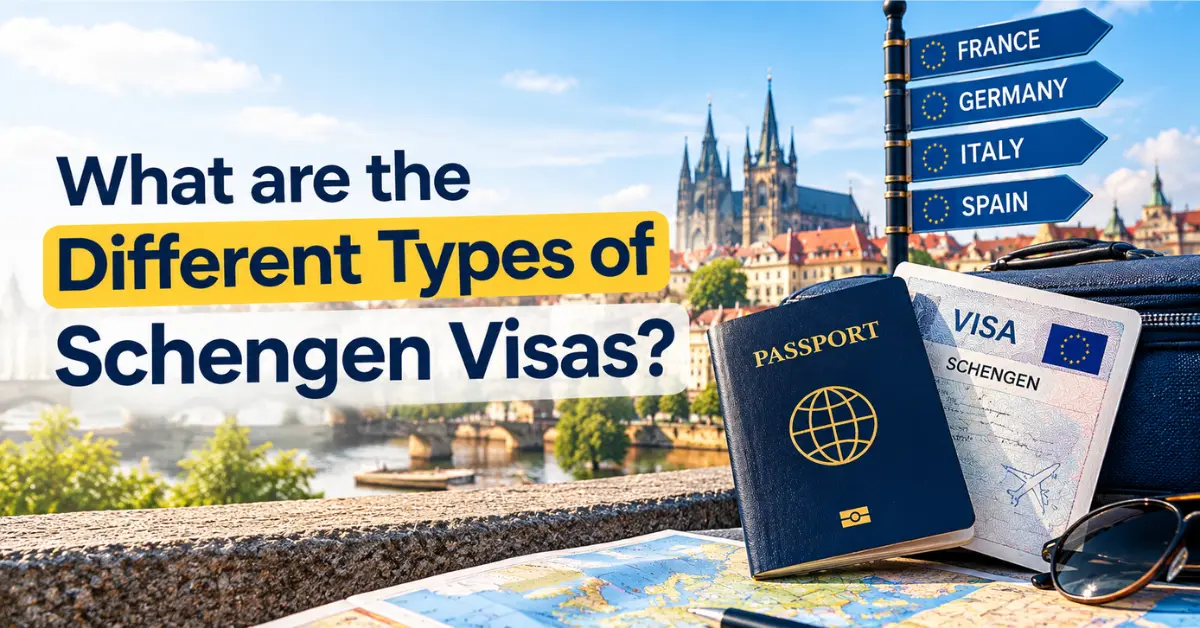
Schengen visas are generally grouped into a few categories, each covering a different purpose and length of stay:
- Type A (Airport Transit Visa): Allows you to change flights at a Schengen airport without entering the Schengen country. It does not permit entry into the Schengen Area proper, only movement within the airport while changing flights.
- Type C (Short-Stay Visa): This is the standard visa for short visits to the Schengen Area, including tourism, visiting family or friends, and business travel. It generally allows stays of up to 90 days within a 180-day period.
- Type D (National Long-Stay Visa): is a bit different. It is not technically a standard Schengen visa at all. It is a long-stay visa issued by an individual Schengen country for purposes such as study, work, or long-term residence, and it is governed by that country’s own national rules rather than the shared Schengen short-stay framework.
You may see the term “4 types of Schengen visas” when searching for information online. while researching. In practice, sources vary on how they group and label these categories, since some split Type C further into single-entry, double-entry, and multiple-entry sub-types or list transit and airport transit separately. Rather than getting stuck on a specific number, it is more useful to understand what each visa actually permits and choose based on your travel purpose.
What Is a Schengen Type C Visa?
A Schengen Type C visa is the standard short-stay visa, and it is the one used most often among all the types of Schengen visa available to UK applicants. It is designed for people travelling to the Schengen visa appointment in the UK for a limited period, and it covers most of the common reasons people visit:
Holidays Visiting relatives or friends Attending business meetings Attending short-term cultural or sporting events
The key rule to remember with a Type C visa is the 90-day in any 180-day period limit. The 90/180-day rule applies across the entire Schengen Area, so you cannot stay for more than 90 days within any 180-day period. A Type C visa may be granted for single, double, or multiple entries, depending on your circumstances and travel plans.
A single-entry visa allows one trip into the Schengen Area, while multiple-entry visas allow repeated entries during the visa’s validity period.
What Is a Schengen Type D Visa?
A Type D visa is a national long-stay visa issued by an individual Schengen country for stays of more than 90 days. It is commonly used for purposes such as study, employment, or long-term residence.
- Studying at a university
- Taking up employment
- Joining a family already resident in that country
- Other long-term residence purposes
Because a Type D visa is a national visa, the exact requirements, application process, and permitted activities are set by the individual country issuing it, not by a single EU-wide standard. This is the main reason it is treated separately from the Type C short-stay visa: the two serve very different purposes, and a Type C visa cannot be used as a substitute for a long-term stay.
Which Schengen Visa Is Suitable for Tourism?
For most holidaymakers, the answer is straightforward: a Type C short-stay visa is what covers standard tourism. If you are travelling to see the sights, spending time with family, or taking a city break, and a visa is required for your nationality, this is the category your application will fall under. Whether a visa is required at all depends on your passport.
What Is a Multiple-Entry Schengen Visa?
A multiple-entry Schengen visa allows the holder to enter and exit the Schengen Area more than once during the period the visa is valid, rather than being limited to a single trip.
This is useful for people who travel to Europe regularly, such as those visiting family several times a year or attending recurring business meetings. Applicants with a good travel history, including previous Schengen visas used correctly, are more likely to be granted a multiple-entry visa on subsequent applications.
It is worth being clear about what multiple entry does not mean. It does not give you unlimited time in the Schengen Area. The 90/180-day rule still applies across every entry combined, so if you visit three times in six months, all those days are added together and must stay within the 90-day limit for that rolling period.
What Is a Schengen Transit Visa?
A Schengen airport transit visa, sometimes called a Type A visa, is required in specific cases where a traveller is applying for a Schengen visa but not planning to enter the country. It does not allow you to leave the country and how long the visa itself takes to process once your application has been submitted. Schengen visa appointment slots can sometimes be booked up weeks in advance, which is a separate issue from processing time. Because of this, applying well ahead of your travel dates, rather than close to departure, gives you a much safer margin. We cannot guarantee a specific processing time for any application, since this ultimately depends on the consulate handling it.
Schengen Visa Fees for Applicants in the UK
The UK Schengen visa cost depends on factors such as the applicant’s age and any applicable exemptions or reduced fees. Certain groups, including some children and specific categories of travellers, may qualify for reduced or waived fees.
On top of the visa fee itself, many applicants also pay a separate service charge to the visa application center handling their paperwork, which is not the same as the government visa fee. Because fees are reviewed and can change, it is best to check the current amount directly with the relevant embassy or official visa application center before you apply, rather than relying on a figure you saw some time ago.
Do UK Residents Need a Schengen Visa?
Living in the UK does not automatically mean you can travel to the Schengen Area without a visa. Your nationality and passport are the key factors. British passport holders can generally visit Schengen countries visa-free for short stays, while UK residents travelling on other passports may need to apply for a Schengen visa. Outside this visa-free arrangement, they will usually still need to apply, regardless of how long they have lived in the UK or what immigration status they hold here.
Having permission to live and work in the UK, such as skilled worker status or student status, does not extend to travel rights in the Schengen Area. Those are two entirely separate systems. You can check your own UK visa status on GOV.UK if you’re unsure how it applies to you.
Can a UK Visa Be Used to Travel to Schengen Countries?
No. A UK visa does not allow you to enter the Schengen Area. It is only valid for meeting the UK’s entry and stay requirements. If your nationality requires a visa to visit a Schengen country, you will need to apply for a separate Schengen visa.
This point matters particularly for non-British passport holders. For example, an Indian passport holder with a valid UK visa still needs to check the entry requirements for each Schengen country separately, since holding a UK visa does not automatically grant Schengen access. Each destination country sets its own entry rules, and while general Schengen guidelines apply across the area, it is worth confirming specifics for the country you are actually travelling to, particularly around documentation and any bilateral arrangements.
Final Thoughts
Choosing the right Schengen visa type depends on your nationality, travel purpose, and length of stay. Whether you need:
- A Type C visa for a short trip
- A Type D visa for a longer stay
- A transit visa
Understanding the difference can help you prepare your application correctly.
If you need help understanding your options, Euro Holidays provides Schengen Visa Consultation from the UK and application support for UK residents.
FAQs
What are the main types of Schengen visas?
The main categories are the Type A airport transit visa, the Type C short-stay visa for trips up to 90 days, and the Type D national long-stay visa issued by individual countries for longer stays.
What is a Type C Schengen visa?
It is the standard short-stay Schengen visa, covering tourism, family visits, business trips, and similar purposes for up to 90 days in any 180-day period.
How long does a Schengen visa take?
Processing typically takes a couple of weeks, though this varies by country and season. It is best to apply well in advance rather than close to your travel date.