If you are one of the many non-British UK resident’s living in the UK and hold a passport from India, Pakistan, Bangladesh, Nigeria, or another non-EU country, you may need a Schengen visa to travel to Europe. Whether you need a visa depends on your nationality and passport, rather than your UK immigration status.
A UK visa, BRP, or digital eVisa confirms your right to live in the UK, but it does not automatically give you visa-free access to the Schengen Area.
Who Really Needs a Schengen Visa from the UK?
- Your passport is what counts: whether a Schengen visa applies to you comes down to your nationality and passport type, not your place of residence in the UK.
- UK immigration status is separate: A UK visa, BRP, or digital eVisa confirms your legal status in the UK. Holding it doesn’t, by itself, entitle you to enter the Schengen Area.
- British and non-British passport holders have different rules: Two people living in the same area of London may have different visa requirements because they hold different passports.
- Short-stay Schengen visa: If your nationality requires a visa, you will generally need a Type C Schengen visa for short visits such as tourism, visiting family, business trips, or attending events.
- The 90/180-day rule: A short-stay Schengen visa can permit a stay of as much as 90 days within any given 180-day window, depending on the specific conditions attached to your visa.
- Check before making travel plans: Visa requirements can vary by nationality and individual circumstances. Check the latest requirements with the relevant embassy, consulate, or official visa application center before booking flights or making firm arrangements.
How to Apply for a Schengen Visa from the UK
Once you’ve confirmed that you need a visa, the application process generally involves these four steps:
Step 1: Identify Your Main Destination If you’re visiting one Schengen country, apply through that country’s visa process. Yahan paraphrased version hai. When your trip covers several countries, apply through the one where you’ll be staying longest. If your time is divided equally, apply through whichever country is the primary reason for your travel.
Step 2: Find the Correct Visa Application Center Depending on your destination, applications may be handled by VFS Global, TLScontact, BLS International, or another authorized provider. Always check the official process for your destination country.
Step 3: Book Your Appointment Appointments can become limited during busy travel periods, so apply as early as permitted. Use official booking channels and avoid unofficial agents or resellers.
Step 4: Get Your Application Ready and Submitted Show up to your appointment with all necessary paperwork, and be ready to give biometric data where it’s needed.
documents and provide biometric data if required. Check that your paperwork is complete and consistent before submission.
Schengen Visa Document Checklist for Non-British UK Resident’s
Requirements vary by Schengen country, so always check the latest document list with the relevant embassy or visa application center. Most applicants will typically need:
- Valid passport meeting the required validity and blank-page rules
- Proof of UK residence status, such as your BRP or digital eVisa evidence where applicable
- Completed and signed visa application form
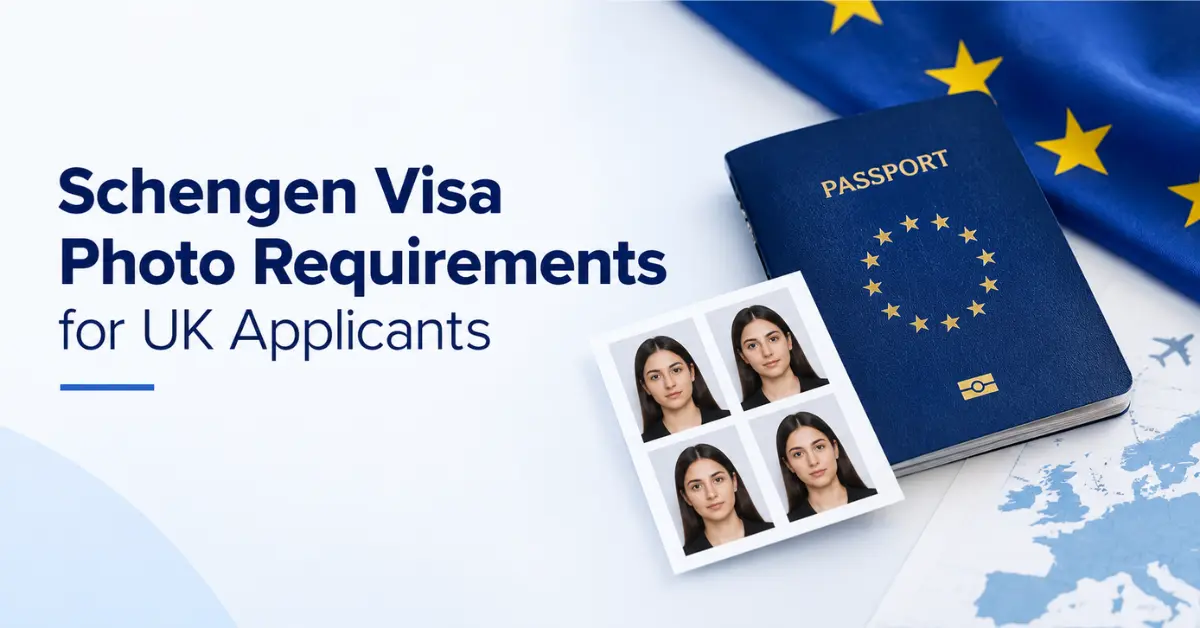
- Recent passport photographs meeting the required specifications
- Proof of accommodation, such as hotel bookings or an invitation letter
- Travel itinerary, usually showing your planned flights or transport
- Proof of sufficient funds, including recent UK bank statements and supporting financial documents
- Travel medical insurance covering the Schengen Area for the full trip and meeting the required minimum coverage
- Proof of employment, study, or self-employment to demonstrate your circumstances and ties to the UK
- Any extra paperwork that your destination country or personal situation might call for
Before submitting your application, check that your documents are complete, accurate, and consistent with the information on your application form.
Common Schengen Visa Mistakes UK Residents Should Avoid
Many visa issues can be avoided by checking your application carefully before submission. Common mistakes include:
- Applying too late: Leave enough time for processing and possible delays.
- Choosing the wrong destination country: Apply through the correct Schengen country based on your itinerary.
- Missing documents: Check the required document list carefully before your appointment.
- Inconsistent information: Make sure your dates, personal details, and travel plans match across all documents.
- Insufficient insurance: Ensure your travel medical insurance meets the required coverage and duration.
- Weak financial evidence: Provide clear and consistent proof that you can cover your travel expenses.
- Incorrect travel details: Check that accommodation and transport information matches your itinerary.
- Ignoring country-specific requirements: Requirements can differ between Schengen countries.
- Using unofficial appointment services: Book through authorized channels to avoid scams and unnecessary costs.
A careful document check before your appointment can help reduce avoidable errors and make the application process more straightforward.
How Euro Holidays Can Help with Your Schengen Visa
Euro Holidays is an independent Schengen visa consultancy in London, offering practical support to non-British UK residents. Assistance can include:
- Understanding the visa process for your destination
- Reviewing documents and checking for inconsistencies
- Organizing your travel itinerary
- Providing guidance on travel insurance
- Preparing for your visa appointment
- Checking that you have the required documents
Euro Holidays does not represent embassies or visa centers and cannot guarantee a visa decision. The service focuses on helping applicants prepare their applications accurately and confidently.
Final Thoughts
For non-British UK residents, Schengen visa requirements depend mainly on nationality, destination, and individual circumstances. Check the latest requirements, prepare your documents carefully, and use official application channels.
If you need additional help, Euro Holidays can provide practical guidance with document preparation and appointment readiness.
Frequently Asked Questions
Can I apply for a Schengen visa if I live in the UK but have a foreign passport?
Yes. Your UK residence doesn’t change the process. You apply based on your nationality, following the standard Schengen visa route for your passport type, using your UK address and documents as evidence of your circumstances.
Does having a UK BRP or eVisa mean I can travel to Europe without a Schengen visa?
No. These documents confirm your status in the UK only. Whether you need a Schengen visa still depends on your nationality.
How early should I apply for a Schengen visa from the UK?
Generally, applications can be submitted up to six months before travel or up to nine months for seafarers. It’s wise to apply as early as your destination country allows, rather than waiting until the last minute.
Can I apply for a Schengen visa if my UK immigration status is expiring soon?
This depends on your individual circumstances and the specific requirements of the country you’re applying to. It’s best to check directly with the relevant consulate or visa center and to seek guidance if you’re unsure how your situation might be viewed.
How long does a Schengen visa application take?
Processing generally takes up to 15 calendar days from when the embassy or consulate receives your file, though this can vary, and you’ll also need to allow extra time for your passport to be couriered back to you.
Do you need a British Schengen visa to travel to Europe?
No, British passport holders don’t need a Schengen visa for short trips. You can stay in the Schengen area for up to 90 days in any 180-day period for tourism, business, or family visits.